
Application
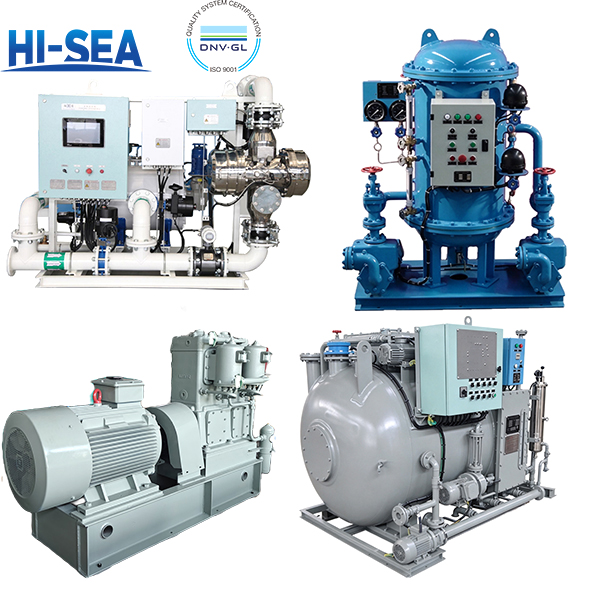
Marine auxiliary machinery products are important supporting equipment for normal operation of vessel systems. They guarantee power backup, water treatment, fluid supply, heat exchange, waste disposal and air service onboard, to satisfy the daily operation and safety requirements of ships. The full package includes marine diesel generator set, ballast water management system, marine sewage treatment plant, marine bilge water separator, marine hydrophore, marine calorifier, marine heat exchanger, oil separator, fuel oil supply unit, marine boiler, marine incinerator, marine air compressor, marine air receiver, seawater desalination device, marine hot well unit, cleaning machine, silencer and mixer. These products are widely fitted on cargo ships, workboats, tugs, fishing vessels, yachts and offshore platforms.
HI-SEA Marine supplies marine auxiliary machinery products as an integrated package for newbuilds, retrofits and dry-dock projects. The range covers the above auxiliary equipment, with interfaces, piping layout and alignment documentation coordinated across units. Equipment can be supplied with CCS, BV, LR, RINA, DNV, NK, ABS and RMRS certificates.
System Composition
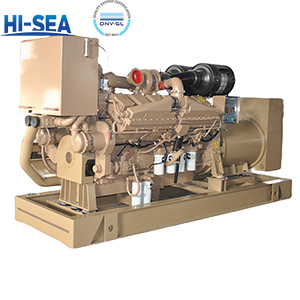
🔹Marine Diesel Generator Set Onboard standby power source, supplies continuous electric power for vessel navigation and daily loads.
🔹Ballast Water Management System Treats ballast water to meet IMO D-2 standard, prevents biological invasion across different sea areas.
🔹Marine Sewage Treatment Plant Treats domestic sewage from crew cabins, complies with MARPOL Annex IV discharge requirements.
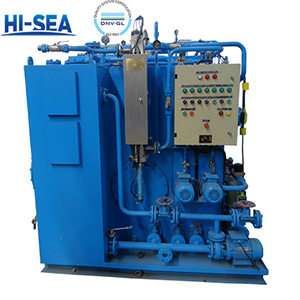
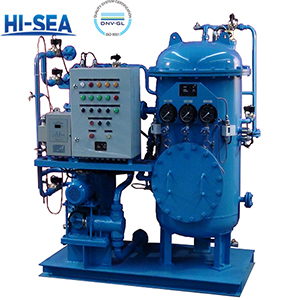
🔹Marine Bilge Water Separator Separates oil from bilge water, ensures oily water discharge meets MARPOL oil emission regulations.
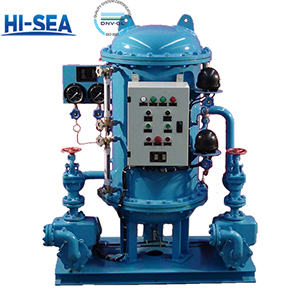
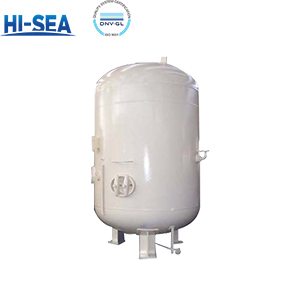
🔹Marine Hydrophore Pressurised fresh water tank, stabilises domestic fresh water supply pressure for cabins.
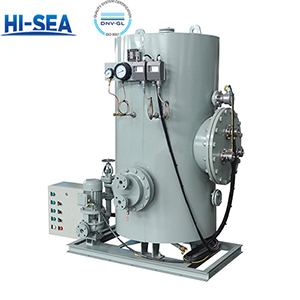
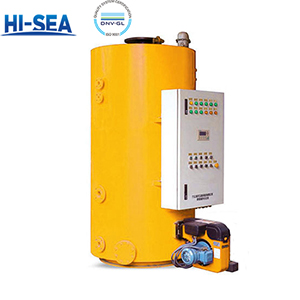
🔹Marine Calorifier Electric/steam heating fresh water tank, provides hot water for crew living use.
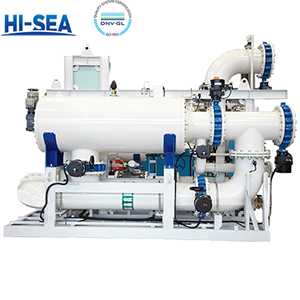
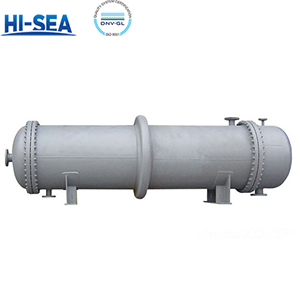
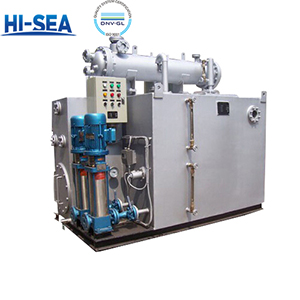
🔹Marine Heat Exchanger Realises heat transfer between two mediums, used for cooling or heating of marine systems.
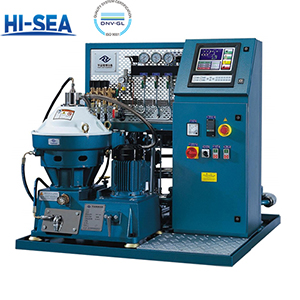
🔹Marine Oil Separator Separates oil and water, widely used for fuel, lube oil purification and oily waste treatment.
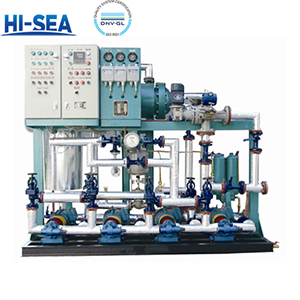
🔹Fuel Oil Supply Unit Filters, heats and transfers fuel oil, delivers qualified fuel to main engine and auxiliary engine.
🔹Marine Boiler Produces steam for heating, fuel oil heating and other ship service thermal demands.
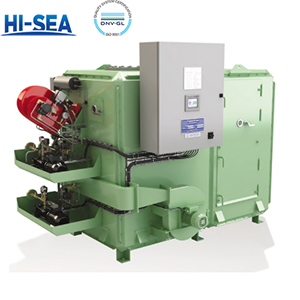
🔹Marine Incinerator Incinerates shipboard waste such as sludge oil, garbage to reduce waste volume on board.
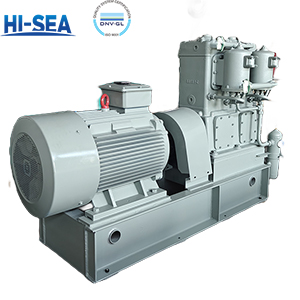
🔹Marine Air Compressor Generates compressed air, serves for starting air, control air and service air systems.
🔹Marine Air Receiver Storage tank for compressed air, stabilises air pressure for pneumatic equipment.
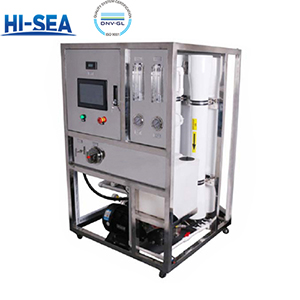
🔹Seawater Desalination Device Converts seawater into fresh water for crew domestic use and machinery service.
🔹Marine Hot Well Unit Collects and recycles condensed steam, feeds back to boiler for cyclic utilisation.
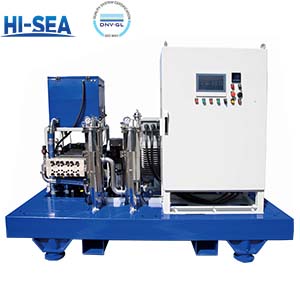
🔹Cleaning Machine High-pressure cleaning equipment for deck, tank and machinery surface cleaning.
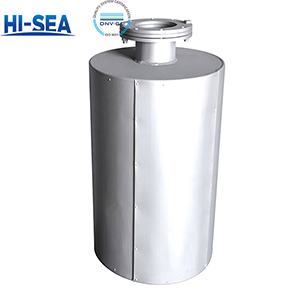
🔹Silencer Reduces exhaust noise of engines, compressors and ventilation outlets.
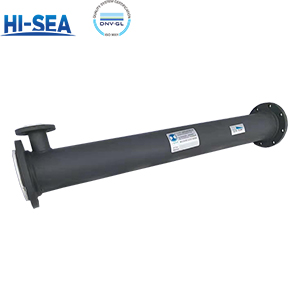
🔹Mixer Mixes different liquids evenly, applied in water treatment and chemical dosing systems.
|
|
|
|
|
|
|
|
|
|
|
|
|
|
|
|
|
|
|
|
|
|
|
|
Key Features
Stable and reliable operation: Optimized for marine working conditions, anti-vibration, salt-spray corrosion resistant, low noise and long service life. Modular design for easy installation, inspection and spare parts replacement. Available with classification society certificates: CCS, BV, RINA, RMRS, etc. All products can be customized according to your drawing and requirements.
Frequently Asked Questions
Q: What are marine auxiliary machinery products used for?
A: They provide standby power, treat ballast water, sewage and bilge water, realize heat exchange, fuel supply, waste incineration, compressed air preparation and seawater desalination, supporting all auxiliary systems of the vessel.
Q: What are the special requirements for marine auxiliary machinery?
A: Marine auxiliary machinery must comply with IMO conventions and class rules. It needs to adapt to rolling, pitching, vibration and high humidity saltwater environment onboard, and meet emission and sewage discharge standards.