
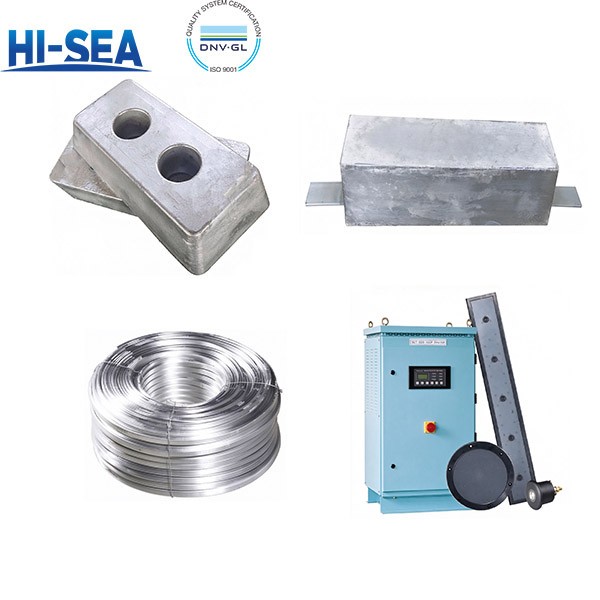
Marine anodes are essential components of corrosion protection systems for ships, boats, offshore structures, and marine equipment. Metal structures exposed to seawater are vulnerable to corrosion, which can lead to material deterioration, costly repairs, and reduced service life.
Marine anodes help protect underwater metal surfaces through cathodic protection. Choosing the right anode material, type, size, and installation location is essential for effective corrosion protection.
1. What Are Marine Anodes?
Marine anodes are metal components used to protect submerged structures from corrosion. They are commonly installed on ship hulls, ballast tanks, propellers, rudders, seawater piping, and other marine equipment.
Most marine anodes work through sacrificial cathodic protection. The anode is made of a more active metal that corrodes preferentially, helping protect the connected metal structure.
The most common marine anode materials are zinc, aluminum, and magnesium.
2. Types of Marine Anodes
Marine anodes are available in different materials and designs to suit various environments and applications.
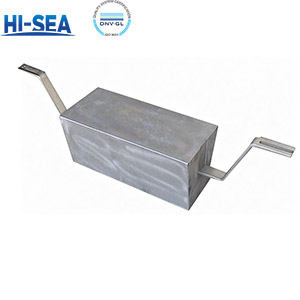
Zinc Anodes |
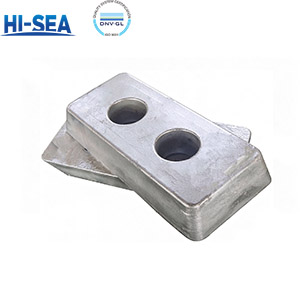
Aluminum Anodes |
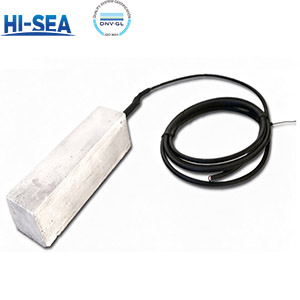
Magnesium Anodes |
Zinc Anodes: Zinc anodes are widely used in seawater applications to protect ship hulls, propellers, rudders, seawater systems, and other submerged metal components.
Aluminum Anodes: Aluminum alloy anodes offer high electrochemical capacity per unit weight and are widely used on ships, ballast tanks, offshore structures, and marine steel structures.
Magnesium Anodes: Magnesium anodes have a high driving voltage and are mainly used in freshwater or higher-resistivity environments. Their application requires proper evaluation to avoid excessive protection.
Marine anodes are also available in various designs, including plate, block, weld-on, bolt-on, bracelet, and shaft anodes.
3. Marine Cathodic Protection Systems
Marine corrosion protection commonly uses two types of cathodic protection systems: Sacrificial Anode Cathodic Protection (SACP) and Impressed Current Cathodic Protection (ICCP).The appropriate system depends on vessel size, operating environment, coating condition, and corrosion protection requirements.
Sacrificial Anode System (SACP)
SACP systems use zinc or aluminum alloy anodes that corrode preferentially to protect the steel structure. They do not require an external power supply and are widely used on ship hulls, ballast tanks, propellers, rudders, and seawater systems. Anodes are consumable and require periodic inspection and replacement.
Impressed Current Cathodic Protection (ICCP)(For more information, please click)
ICCP systems use an external DC power supply to deliver controlled protective current through specially designed anodes to the ship’s hull. A typical system includes a control unit, impressed-current anodes, reference electrodes, and electrical connections.
ICCP systems are commonly used on large vessels because they provide adjustable protective current and reduce the need for large quantities of sacrificial anodes. However, they require electrical power, monitoring, and regular maintenance.
4. Applications of Marine Anodes
Marine anodes are installed in various locations to protect metal surfaces exposed to seawater.
♦Ship Hulls: Protect underwater steel surfaces against corrosion.
♦Ballast Tanks: Help reduce corrosion of internal steel surfaces exposed to ballast water.
♦Propellers and Shafts: Protect propellers, shafting, and associated underwater components.
♦Rudders and Stern Equipment: Reduce corrosion on underwater fittings.
♦Sea Chests and Seawater Systems: Protect seawater intakes, cooling systems, pipes, and related equipment.
♦Offshore Structures: Provide corrosion protection for platforms, pipelines, and submerged steel structures.
The type, quantity, and location of anodes depend on the structure, materials, water conditions, coating system, and protection design.
5. Marine Anode Quality and Purchasing
Marine anode quality directly affects corrosion protection performance and service life. When purchasing anodes, buyers should consider alloy composition, weight, dimensions, casting quality, mounting inserts, electrochemical performance, inspection requirements, and applicable standards.
For shipowners, shipyards, marine contractors, and distributors, accurate technical specifications help ensure the correct product is supplied.
When requesting a quotation, it is helpful to provide:
♦Anode type and material
♦Drawing or dimensions
♦Unit weight and quantity
♦Mounting method
♦Application and operating environment(if possible)
♦Applicable standards(if possible)
Custom marine anodes can also be manufactured according to drawings, technical specifications, and project requirements.