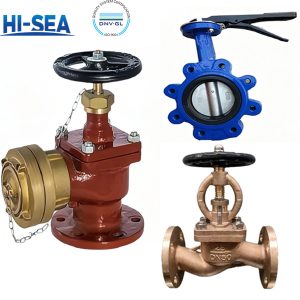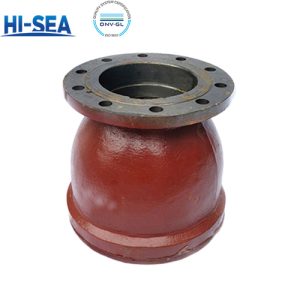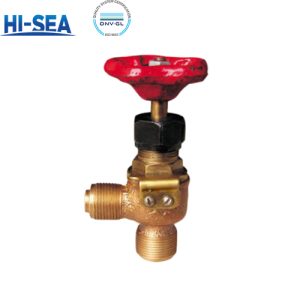
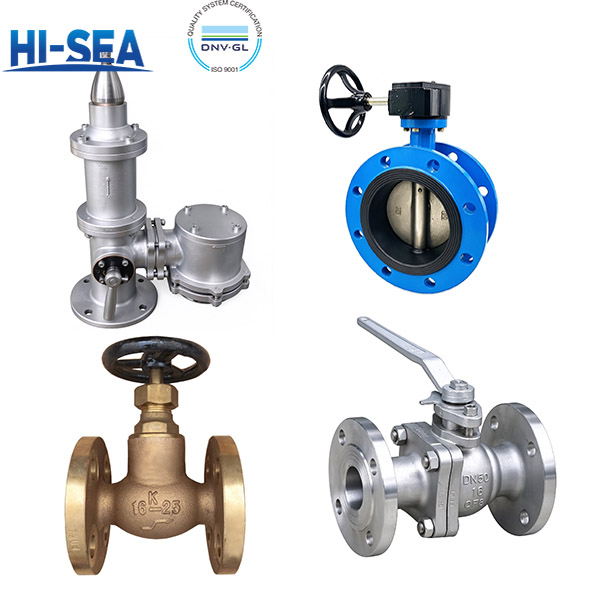
Marine valves are safety control components for ship piping systems. In addition to basic on/off and non-return functions, they also perform working-condition isolation, overload protection, medium regulation, and draining/venting functions. They are widely suitable for different ship types and offshore engineering equipment such as bulk carriers, container ships, oil/chemical tankers, fishing vessels, workboats, offshore wind platforms, and floating cranes. In addition to conventional piping systems, they can also be used for engine room emergency pipelines, deck drainage, seawater filter accessories, cabin ventilation, inert gas systems, and remote-controlled ballast pipelines. They withstand long-term hull swaying impact, continuous vibration, seawater electrochemical corrosion, and marine organism fouling; the product design meets the needs of installation in narrow shipboard spaces and convenient maintenance, supports onboard spare parts replacement and modification project support, and can meet classification survey and dry-docking project supply requirements.
Classification of Marine Valve
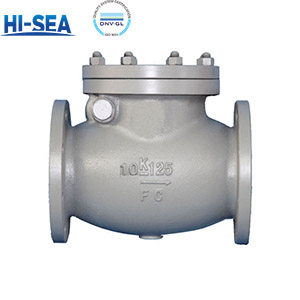 JIS Marine Valve |
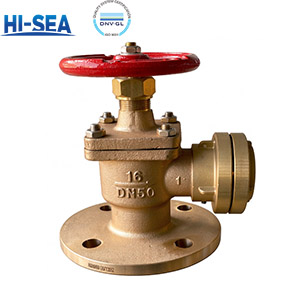 GB Marine Valve |
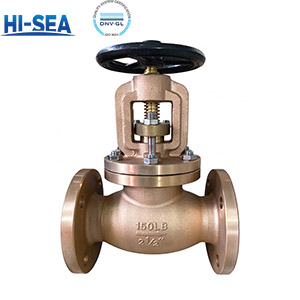 ANSI Marine Valve |
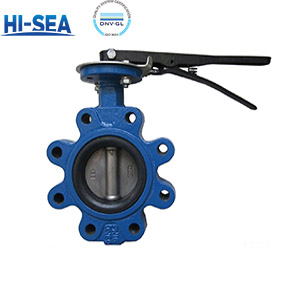 DIN Marine Valve |
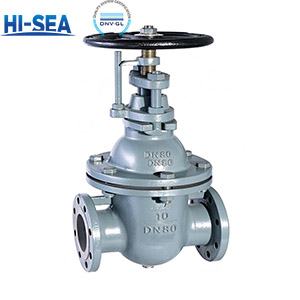 CB Marine Valve |
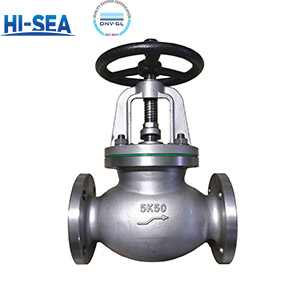 CBM Marine Valve |
Applications
1. Isolation and connection: control the flow and shut-off of media (seawater, fresh water, fuel oil, lubricating oil, steam, gas, etc.).
2. Regulation and throttling: regulate the flow rate, pressure, and temperature of fluids in pipelines.
3. Backflow prevention: prevent medium backflow and protect equipment safety (e.g., at pump outlets).
4. Safety protection: release pressure in case of overpressure (safety valves), or prevent water hammer impact (slow-closing valves).
5. Directional control: switch fluid flow direction (e.g., three-way valves, four-way valves).
Typical application systems: ballast water system, bilge water system, fire-fighting system, fuel oil and lubricating oil system, cooling water system, steam system, cargo oil system, etc.
Main Parameters
Pressure: Class150/300/600; JIS 5K/10K/16K; PN6/10/16/25, etc.
Main valve types:gate valve, globe valve, ball valve, check valve, butterfly valve, fire valve, quick-closing valve, SDNR valve, safety valve, pressure reducing valve, etc.
Connection Method: Flanges, threads (NPT/BSP), socket welds, butt welds, clamps
Main Materials
| Parts | Common Material | Features and Applicable Scenarios |
| Valve Body/Valve Bonnet | Bronze Cast steel (WCB) Stainless steel (304/316/316L) Duplex stainless steel(2205/2507) Cast iron |
Bronze: excellent seawater corrosion resistance, the traditional first choice for marine use; Cast steel: suitable for high-parameter media such as steam and high-pressure oil; Stainless steel: used for corrosive media or sanitary-grade systems; Cast iron: low cost and good castability, suitable for low-pressure, ambient-temperature fresh water, seawater, and general piping systems. |
| Valve Trim(Stem/Disc/Seat) | Stainless steel (304/316) Aluminum bronze Monel alloy Stellite alloy |
Improve wear resistance, anti-scuffing performance, and corrosion resistance, ensuring sealing service life under frequent opening and closing. |
| Sealing/Packing | PTFE Rubber (NBR/EPDM) Graphite |
PTFE offers chemical corrosion resistance; graphite withstands high temperatures; rubber is used for soft-seated valves (such as butterfly valves and ball valves). |
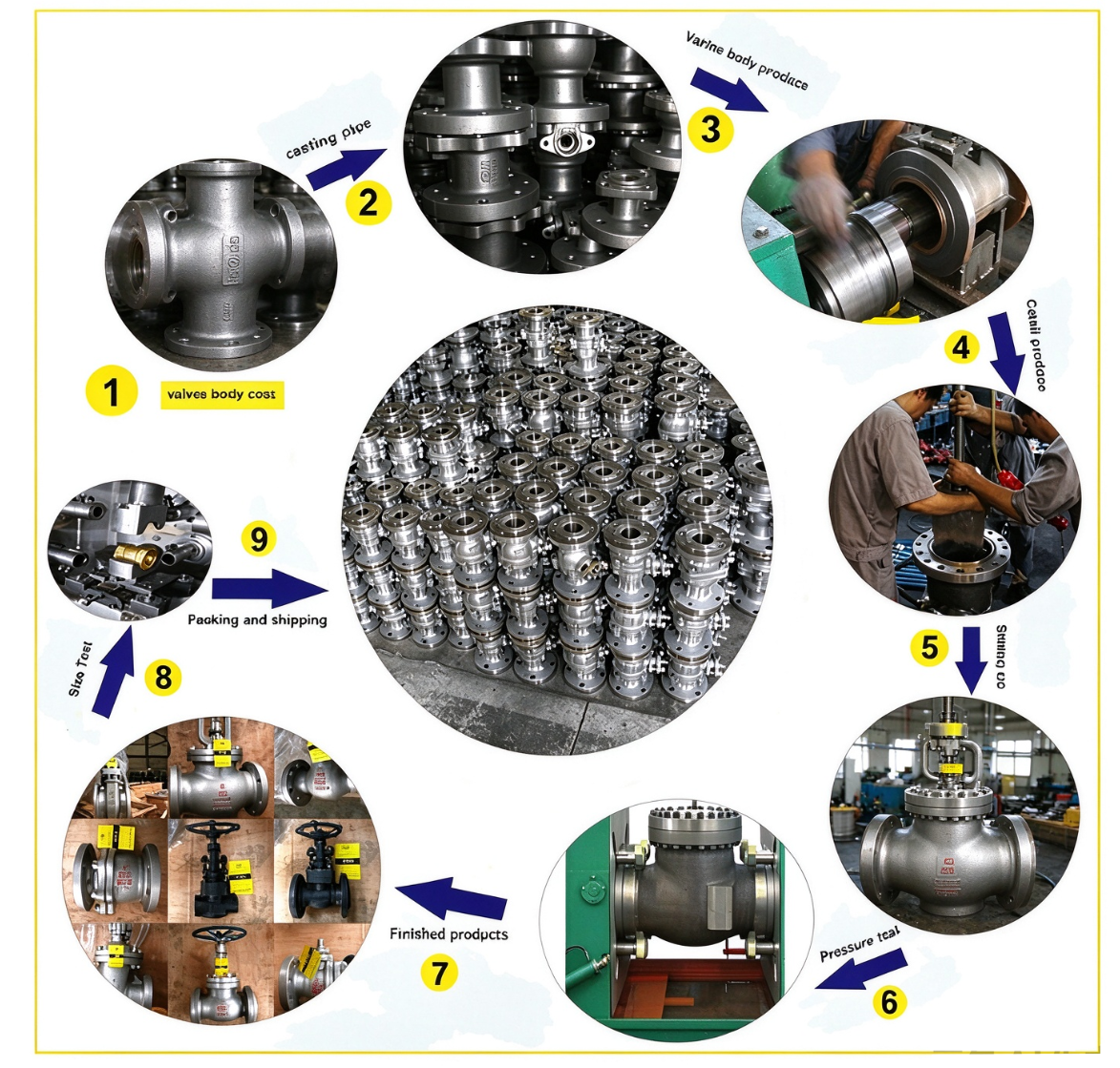
Marine Valve Production Process